Tuesday, October 28, 2014

Phenylethylamine HCL, PEA-500 Xtreme

PEA is a natural neuromodulator in the brain that helps regulate mood, focus and stress. It is produced by the brain from the amino acid L-Phenylalanine. It is also present in cocoa and certain other foods in small amounts. Low levels of PEA are not thought to cause, but are commonly present in those with depression and ADD/ADHD.


PEA-500 Xtreme can be used by anyone looking to reduce stress or improve mood, focus, concentration, and alertness, whether for school, work, or other purposes.


PEA-500 Xtreme Summary of Benefits:
  • Focus
  • Stress Reduction
  • Mood Support
  • Improved Concentration & Mental Alertness"
DIRECTIONS: As a dietary supplement, take 1 to 2 capsules daily or as directed by your healthcare professional.
INFORMATION PROVIDED BY SERIOUS NUTRITION SOLUTIONS


Visit my website http://www.thewayup.com/


Please LIKE us on Facebook and FOLLOW us on Twitter

Friday, October 17, 2014

Glorious Fiber

 Fiber, ahh that lovely, but ever so vague, fiber. "Is this," one may ask, "like the fibers of my pants, or the fiber arts?" No, this is fiber, as in roughage, as in the plant matter in vegetables, grains, and fruits. It must be added that this is far preferable to fiber, as in Metamucil, slippery elm bark, or psyllium husks, though they have their place of value. The advised path is to stick with the fruit, vegetable and grain fibers, at every meal, to support good health and interestingly enough, to help fight cancers.

The fibrous part of plants serves many purposes for the plants and for humans. For instance, the bulk of an orange's vitamin C content is actually in the fibrous white lining of the peel, so eat that for your 'C' rather than drinking orange juice. Eating the 'whole' edible part of the plant ensures that you get the full nutrient content as well as any beneficial medicinal content. Also of great importance is the fact that the plant fiber helps keep your intestines and bowel scrubbed clean of fecal matter and other toxic build-up, which could otherwise poison your body, and even cause cancer.


Visit my website http://www.thewayup.com/


Please LIKE us on Facebook and FOLLOW us on Twitter

Friday, October 10, 2014

Risks of Red Meat


The phrase "metabolic syndrome" is used to describe having three or more high risk factors for developing heart disease or diabetes.  These risk factors include obesity, high triglyceride levels, too  much bad cholesterol, too little good cholesterol, and high blood sugar levels.  Eating two servings of meat per day increases the risk of metabolic syndrome by 26%, according to a study published in Circulation in January of 2008.  Red meat is particularly likely to contribute to this risk. The big danger foods?  Red meat, fried foods, soda, and heavily processed foods.


This is certainly not the only arena in which red meat is associated with health risks.  Red meat eaters are twice as likely to get colon cancer.  Research has also shown a positive correlation between red meat consumption and rheumatoid arthritis and endometriosis.  The frequency of consumption and the source of the  meat, especially conventionally raised meat, both play a role.


Visit my website http://www.thewayup.com/


Please LIKE us on Facebook and FOLLOW us on Twitter

Thursday, October 2, 2014

Tush-Tastic

While you may not be able to switch genetics with J.Lo, you can maximize your rear view with these easy additions to your daily routine:
 
1. Take the stairs: Forgo the elevator and take the stairs at the office, at home or at the mall or airport. To really work the glutes, put your complete foot on the stair.
 
2. Sumo squats: Stand with your legs wider than your hips with the toes pointing out. Stand straight and tuck the pelvis under. Plie the knees lowering yourself 3-8 inches depending on your strength. Start with two sets of 10 and increase as you get stronger.
 
3. Lunges: Lunges are a challenging exercise because they work so many muscles at the same time. On the front leg, you'll work the glutes and hamstrings and, on the back leg, you'll work the quads and calves.

Thursday, September 25, 2014

Healthy Homes, Healthy Bodies

Whether you are working with an existing home, in the process of looking for a home or building your own home, it is important that you look at the health of the home, as it will affect your own health. You have a great deal of control over the health of your surroundings, like whether you fill your refrigerator with organic food or conventionally grown foods. This same control exists for your home as well. Two healthy home considerations should be indoor air quality and building materials.


Indoor Air Quality. Indoor air quality is important to consider for a number of reasons, including: allergy issues, moisture and mold issues, and potential radon or carbon monoxide issues. EPA studies have shown that air pollution is sometimes 2-5% higher in homes than what is outside. Improper ventilation and an unsealed crawlspace are two examples of where one might look to solve indoor air quality issues.

Building Materials. Nobody wants a home full of formaldehyde, VOCs (volatile organic compounds), toxic gases, and surfaces that attract mold. This means that everything from flooring, sub-flooring, insulation, drywall, paint, counter-tops, cabinets and adhesives all need to be considered. There are many ways to avoid toxic building materials in your home, as long as you are educated about your options. If you are building a home, you can work healthy from the ground up; existing homes can often benefit from material upgrades and there are a number of fixes that allow you to make your home safer and healthier without having to rebuild it!

Visit my website http://www.thewayup.com/
Please LIKE us on Facebook and FOLLOW us on Twitter

Thursday, September 11, 2014

Burn More Calories!

Ready to rev up your routine and burn more calories? The two main factors in doing so are your metabolism and your workouts.  Here are a few tips on how to keep those both in tip-top shape:
 
Drink green tea: Replace coffee with green tea for an extra kick to calorie burning, and for some added antioxidants.


Shake things up: If you're bored with your workout, your body probably is too. Try interval training. If you're running, run one minute fast for every two minutes at your regular pace. Likewise with biking or swimming. You can also add some weights or other muscle building exercises in during your cardio time.
 
Find more fun activities that increase health: Look into mountain biking, dance classes, recreational sports teams, etc.
 
Drink water: If it helps, put four or five rubber bands around your wrist, and for each sixteen ounce bottle of water you drink during the day, take one off.
 
Move around: Even fidgeting can help you to burn calories, so if you're stuck sitting, tap your feet, drum your fingers or do exercises in your chair.
 
Increase Outdoor Activity: take your exercise routine outside and you'll be amazed how much more energy you have to devote to it!

Thursday, September 4, 2014

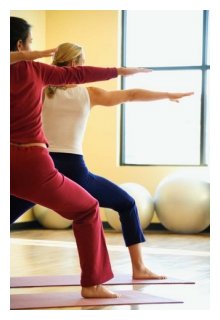
Why Improve Flexibility?

Whether you're naturally flexible or someone who really wishes they could still bend over and touch the floor with their legs straight, increasing your flexibility is beneficial to your health. Think you can be in truly great shape without flexibility training? Think again.
 
Flexibility:
  • Improves your posture
  • Increases nutrient and blood flow to body tissues
  • Improves athletic performance
  • Decreases stress on your joints
  • Decreases the risk of injury during activity
  • Improves muscular coordination
  • Prevents and/or reduces back pain
  • Reduces sore muscles
  • Increases your enjoyment of physical activity
To increase your flexibility, start with simple steps.  When you wake up in the morning, do a few light stretches in bed before you get up.  Stretch your body lengthwise and to either side.  Roll your wrists and ankles through their full range of motion.  Do a few simple back stretches (yoga cat and cow postures are a great way to start your day).  Take stretch breaks at work to extend your legs and always warm up and cool down before exercising.  Without any extra flexibility training, you can be well on your way to a healthier, more flexible body.